Final Walk Through Tips
Buying a house is one of the biggest purchases many people will make in their lifetime. Therefore, it is important to always do a final walk-through of the property with your real estate agent before closing. This allows the buyer, with guidance from their agent, to ensure the property they are purchasing is in acceptable condition. If repairs were requested it is also a time to make sure they are completed in an acceptable fashion.
When walking through the property if you discover certain repairs, as stated in the contract, are not completed. Then have your agent document the findings and send the sellers a list of items to be completed before closing. Also, if certain items or fixtures are taken and/or sellers’ personal property has yet to be removed this too can be documented and fixed before closing.
A big mistake that some buyers make is forgoing the final walk through instead of reassessing the property one last time. Oftentimes the buyers feel that they have been to the property numerous times, and everything seems okay so they pass on the walk through. On many occasions, buyers have waived the walk through and found themselves moving into a dirty house or one still containing the seller’s debris and/or personal property.
Unfortunately, it is not always possible to do a final walk through after the sellers have vacated the property. Sometimes the sellers are not set to move until the real estate transaction closes. If this is the case then it is still highly recommended to have a walk through. This is to make sure that sellers are at least in the progress of moving out.
What can you do if the sellers do not adhere to their contractual obligations (i.e take items that were included in the sale, not fix repairs, or leave debris and/or personal property)? First, make sure that your agent immediately notifies the listing agent to see if the situation can be rectified. Then you can delay closing, if possible until all contractual obligations are met.
However, it is not always possible to delay closing so an alternative would be to fix all the contractual obligations and send a bill to the seller. If you do not get reimbursed, consult a real estate attorney immediately.
 As a home
 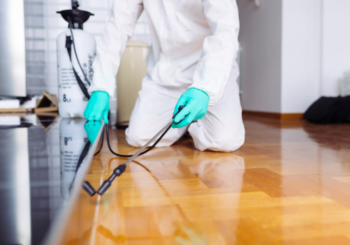 Whether you are buying, selling or living in a home, termites are likely something you will encounter. The U.S. Department of Agriculture estimates that homeowners spend more than $2 billion annually on termite pest control and on repairs caused by termite damage. Termites also damage more than 600,000 homes annually here in the United States, thus making termite prevention and control a critical part of home maintenance.
 Most home inspection will reveal a list of things that need repairs and/or replacements and this is where the second round of negotiations begin. If you are not buying a brand new home, the home will most likely need some cosmetic touches but this is not where your focus should be. Sellers are usually willing to at least make some changes or improvements to the condition of a home before they sell it, and as long as you feel like you’ve got some bargaining power in terms of your offer, it’s a good idea to see if the seller will take care of at least a few of the problems that your home inspection has shown. Below, you’ll find a list of some of the most common issues you should ask about.
 When it’s time for you to buy a home, you probably already know you’ve got a home inspection coming up in the near future. It’s very important to get a home inspection done before you finalize anything in the home buying process, but just because the inspection turns up some problems, that doesn’t mean you have to rely on the seller to solve all of them. Check out the list below to help you figure out which home inspection issues you can take care of yourself instead of risking losing the home of your dreams by asking the seller to do it for you.