Accessibility Design Features
As our population ages, the homes we live in need to age with us. Whether you are anticipating a need to adapt your home for yourself in the future, or for aging parents or grandparents, there is a benefit to being prepared for future eventualities. Even active adults may suffer a broken leg, suffer an illness or need a hip replacement, so universal design features will be critical to making your surroundings adapt to these events.
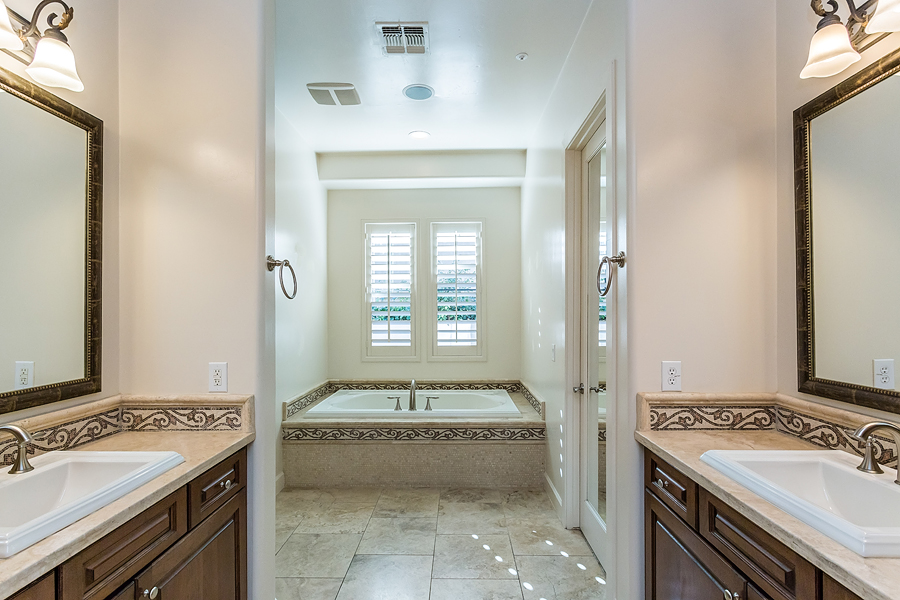 One of the first design features to consider is having at least one zero-grade entry into your home. In other words, is there at least one threshold that can be crossed without a step? You should be able to enter into the home without lifting your feet, if necessary. Another design feature that should be considered for those age 55 and up are grab-bars in at least one bathroom. Grab bars can be beautiful, unobtrusive design features, that will come in handy when they are needed later. As a default, consider installing backer-board into the wall if you are doing a bathroom shower remodel, to make it easier to install a grab bar at a later date. Another corollary design feature for bathrooms is making one shower curb-less. Removing the step will also increase your home’s resale value as the population ages.
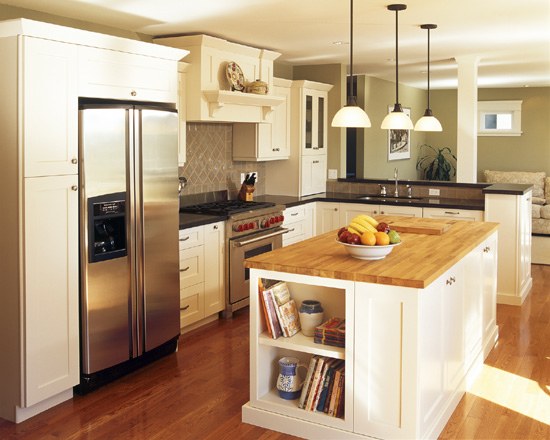
Moving onto the kitchen, do you have at least one cutting surface in the room that is at a height where you can sit and use it? A kitchen island, or a lower table area? Also, do you have plenty of cabinetry that is down low, and easily accessible? Also, how is your lighting where you have steps? Good lighting is critical to permit visibility of changes in elevation, as is task lighting in areas such as bedrooms, medicine cabinets and kitchens.
If you’re building a new home, you’re in the optimal position of requiring some of these design features being installed with much less expense. At minimum, consider installing 36-inch wide doors (at minimum at one entrance to the home and one bedroom and bathroom) in case a family member is confined to a wheelchair. Zero-grade entries to the home are another feature that is much easier to incorporate when a home is being built. Finally, consider having your builder install electrical outlets at a higher location on the walls.
Search Northeast Valley homes and neighborhoods
 Whether you are in the market for a home, are enjoying your current home, or are interested in getting your home ready to sell, home maintenance is of utmost importance. Buyers are always better off if the home they’ve fallen in love with has been treated and maintained with care and attention. Living in your home means your safety and enjoyment of your home is of top priority. Sellers are better off if they’ve been proactive when caring for their home while living in it as deferred home maintenance can result in the need for annoying and often expensive repairs when it comes to the home inspection. To that end, here are some tips to consider when it comes to home maintenance. . .
 First and foremost, do you have a home fire safety
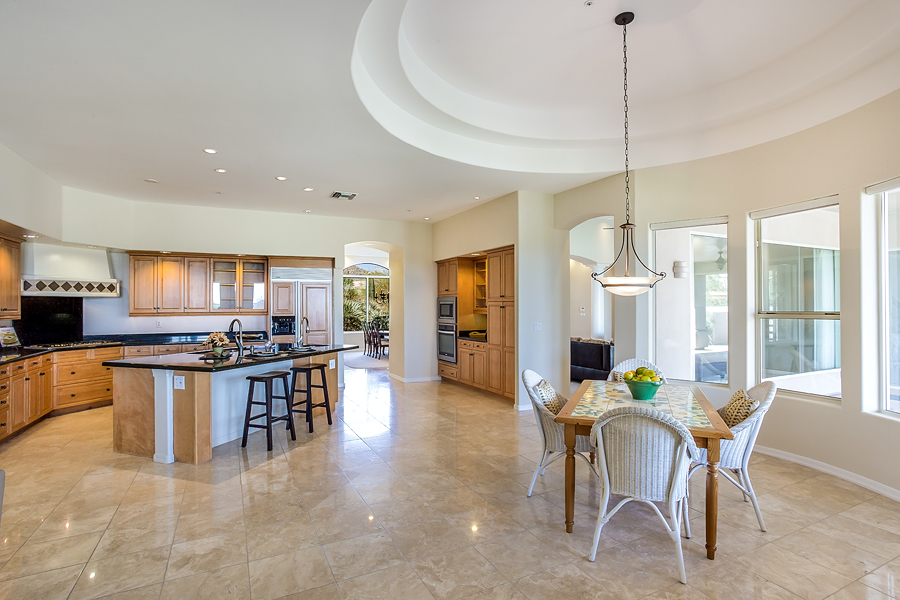 One of the biggest turn-offs to potential buyers is seeing dirty grout on tile floors. Dirty grout sends a message to buyers that the floor isn’t clean, and if the floor isn’t clean then the rest of the home may not be clean either, and unclean homes typically mean deferred maintenance. See what happens there? However, in most cases, grout isn’t dirty, it’s stained from years of product build up, mildew, and being walked on. The bottom line, however, is that part of getting your home ready to list means making it sparkle from the top to the bottom, and the bottom means getting your tile floors in pristine condition.
 Good contractors . . . when you find one, you’ve got to hold on and never let go. Whether you’d like to update your existing home, or you are considering listing your home for sale, and making much needed updates to maximize your ROI (return on investment), you’re probably going to be enlisting the services of a contractor. Finding a good, reputable contractor out of the thousands out there may seem like a daunting task. However here are some suggestions on how to find the best person to help you update your home:
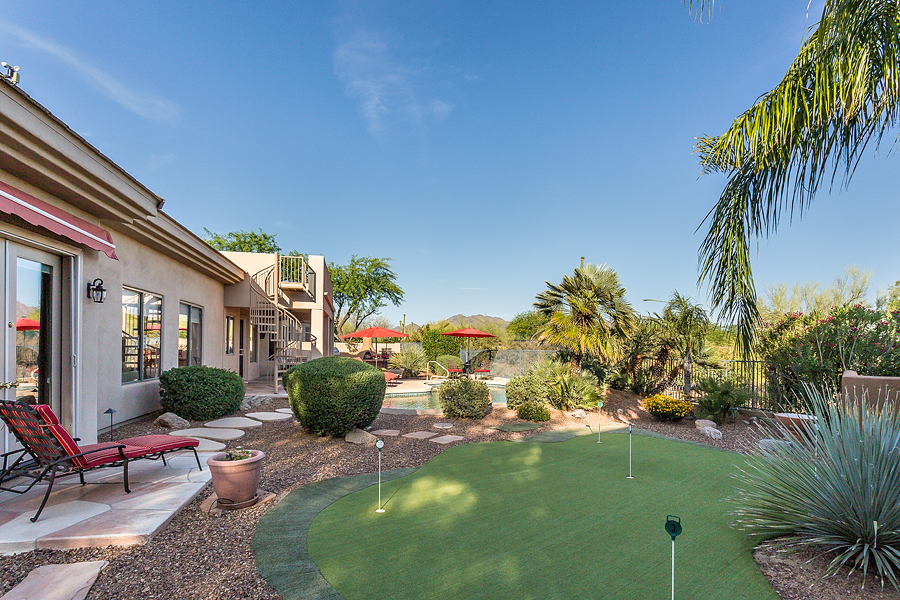 Since Arizona is primarily composed of desert land, with very little rainfall, and there are very valid concerns about future water supply from the Colorado River, you may have considered installing artificial grass instead of real grass in your front or back yard.
 As for how often you should paint the outside of your home in Arizona, the basic rule of thumb is every 5-10 years. The determining factors here are the type of paint that was used, as well as the orientation of the home in terms of direct sunlight. If the original paint was not 100% acrylic, the paint job will not last much longer than 5-7 years. Paint that is of higher quality and 100% acrylic should last at least 8-10 years, with proper application. Again, if your intention is to prepare your home for sale, then you may not want to go with the more expensive 100% acrylic paint.
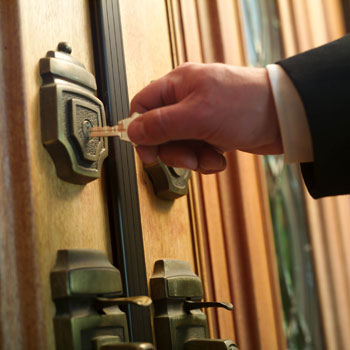 Increase visibility of your home from the curb. In other words, make sure to keep any large bushes or trees that obscure entry places into your home, trimmed back. All windows and doors should be clearly visible to people on the street, thereby deterring burglars who need discreet ways to enter your home.
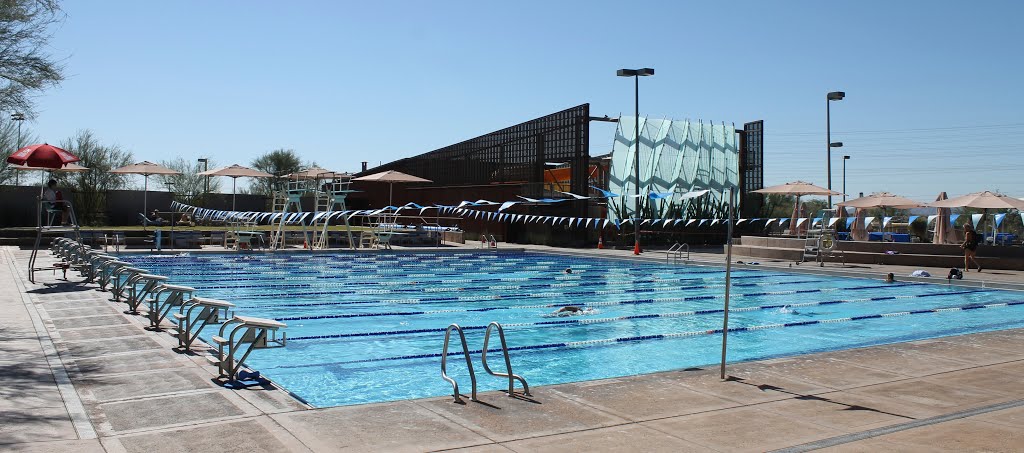 As we’re fully immersed in the heat of summer, there will be more and more days spent in the pool. Critical to enjoyment and relaxation is making sure the pool experience is a safe one for everyone involved. Here are a few tips to help you maximize pool safety this summer, courtesy of the American Red Cross:
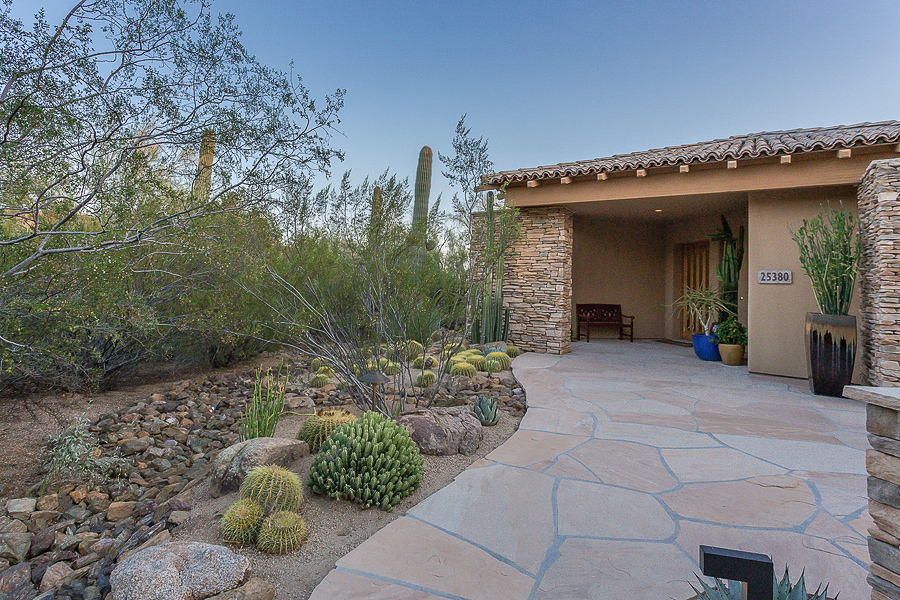 Whether you’re an Arizona native, or new to the Grand Canyon State, there are some unique things which with you’ll have to contend as a homeowner in the Sonoran Desert. Residents of the Midwest don’t have to worry about such things as scorpions, black widow spiders, rattlesnakes and packrats. However, taking a few simple steps will make it much easier for you to coexist with the less desirable desert inhabitants without having to resort to chemical removal.