First Time Homebuyer Programs
Congratulations! You’ve decided you’re tired of renting and you’d like to look into purchasing your first home. If you’re an Arizona resident, Arizona has some great programs to assist you with this process, specifically with the down payment portion of your home purchase. The Arizona Department of Housing offers two different programs to assist you with your down payment, dependent on your own personal and financial circumstances.
 First, the HOME PLUS Home Loan Program features a 30-year fixed-rate mortgage with a down payment assistance grant that can be used toward the down payment and / or closing costs. This grant and mortgage are applicable to the purchase of a primary residence here in Arizona, and your income cannot exceed $92,984. The purchase price of the home is limited to $371,936 with this program. Finally, you’d be required to complete a homebuyer education course before closing. This course can be completed through an approved Internet-based program.
Second, the Pathway to Purchase down payment assistance program offers a 30-year fixed rate mortgage with a down payment assistance second mortgage equal to 10% of the purchase price. The second mortgage is a five–year forgivable lien against the subject property at a 0% interest rate and no required monthly payments. This program applies to homes purchased in targeted areas in 17 specified cities. The income and purchase price limit are the same as the HOME PLUS home loan program. This program also applies only to existing, previously occupied properties only, so new construction and spec homes are not permitted to be purchased under the parameters of this program. Finally, this program applies to Fannie Mae HFA Preferred mortgages only. As with the HOME PLUS program, the homebuyer must complete a homebuyer education course before closing.
We hope these resources offer a good starting point for you to explore the home buying process. We’d be happy to walk you through any specific questions you may have, and would be happy to show you homes that meet the qualification parameters.
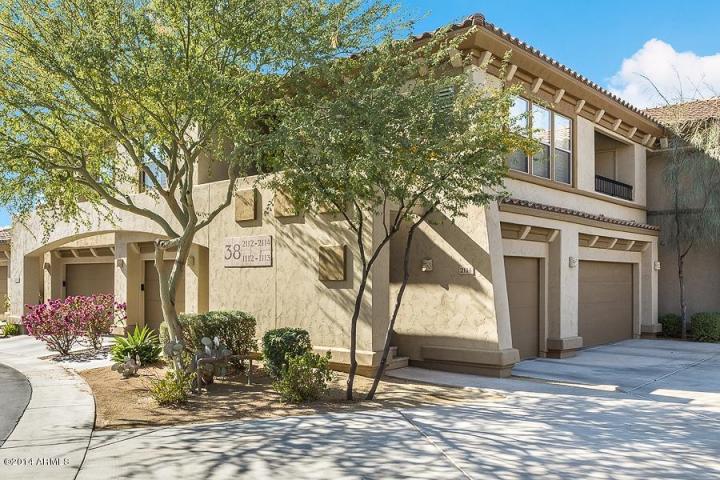 Condominiums, generally speaking, are one of many units inside a larger building, that can sometimes be several stories high. Legally speaking, you’re buying “air space” when you purchase a condominium, as you are purchasing everything within the walls of the unit you buy. You are also purchasing a fraction of the condo community itself. This fraction is based on the number of units in the complex, so if there are 25 units, you own one-twenty fifth of the community. This gives condo owners an interest in the common areas of the community itself.
 Whether you are re-entering the market after a foreclosure or short sale, there are a few things you will need to know. There are mandatory waiting periods before these homeowners can apply for a new mortgage. For a new FHA loan, the required waiting period is three years, whether it’s a prior foreclosure or a short sale. The waiting period begins the date the prior foreclosure or short sale was actually recorded, not when the homeowner has left the home. So if the transaction took several months to be negotiated, those months need to be excluded from the three-year time period.
 Anyone who has ever been involved in assuming a mortgage, or even watched a few real estate shows on HGTV, is familiar with closing costs. But what exactly are closing costs? Here’s a quick rundown of these additional fees.
 Tiny houses seem to be quite the popular trend nowadays. Thanks to TV shows, the news, and home magazine articles, we’ve been inundated with the popularity of tiny houses. With the typical American home size being 2,400-2,600 square feet, the 100-400 square feet of tiny houses represents a 65 to 90% decrease in living space. The reasons for the popularity of tiny houses range from financial to environmental, as well as a desire to simply downsize and simplify one’s life.