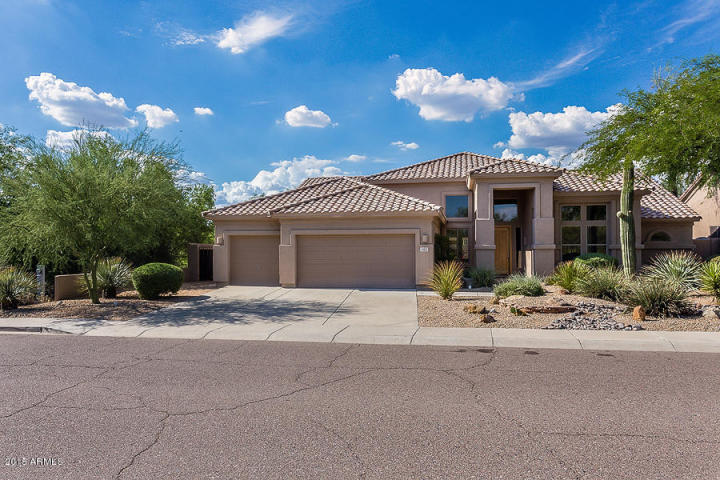
Property Taxes: What to Expect
 Are you a first-time homebuyer or someone who hasn’t purchased a home in a long time? Do you find yourself wondering what to expect when it comes to property taxes? This is a common question that tends to come up pretty quickly when the topic of buying a home is addressed. Many first-time homebuyers are cautioned to keep their property taxes in mind when budgeting for their new home, and with good reason. Depending on where you live, your property taxes could be significant, and they could make a big difference in the overall price of your home and your monthly mortgage payment as well. Below, we’ve outlined some important information to help you learn what you can about what to expect and how to prepare for your property taxes.
How is property tax calculated?
Property taxes were created as a way to pay government employees of your town or county (such as police officers, firefighters and others) for their work. Therefore, it’s up to your local government to determine your property taxes. In order to do this, your home and the property it sits on are both assessed based on the market value of other houses that have sold recently in your area. You can also figure out an estimated property tax price by multiplying the tax rate you pay in your area by the value of your home in its assessment. You can do this yourself, and you can also ask your realtor to help you determine the property taxes on any home you’re looking into purchasing. You should have at least some idea of property taxes before you make an offer on your home.
When are property taxes paid?
When you purchase your home, you will need to pay property taxes as part of your closing costs. Depending on how you are buying your home, the way in which you make this payment may differ. For example, in some instances, you’ll need to pay these through a cashier’s check or another similar method. In other instances, you can group the payment into the same check you use to pay the rest of your closing costs. The time of year in which you close on your home will affect how much you need to pay in property taxes at the time, too; the rate will be prorated so that you only pay for the months in which you will own the home in the given year. When the next year begins, your taxes will go up to their normal annual amount.
Are you considering pre-qualifying for a mortgage loan? Contact us or call 480.754.9477 or 480.754.9077.
 Have you ever sold a house before? Are you going through the process of selling your house right now? Whether you’ve been through it before or this is your first time dealing with the ups and downs of home selling, you probably fully understand the temptation to take the first offer you get on your home. You may have even heard the myth that the first offer is always the best offer you’re going to get. But how true is this? Should you wait around for a better offer to come along?
 When you’re buying a home, you’re probably going to spend some time considering the part of town—or the part of the state—where you want to be located. It’s normal to want to consider the location of your new home, but what exactly should you be looking for? It may be challenging to figure out the factors you need to consider when looking for the perfect new place to live. Sure, you know you want to be close to work or near your family, but what else? What could help you find the neighborhood of your dreams? Check out our tips below to help you decide.
 Although there are a lot of different variations on the types of mortgages available when you’re buying a home, they all boil down to two different kinds: fixed and floating. If you hear these terms when you’re doing your home shopping, you may start to wonder what they mean and which one is best for your needs. A firm understanding of the difference between a fixed mortgage and a floating mortgage can make a huge difference when it comes time to talk numbers with your bank, lender, or financial advisor.
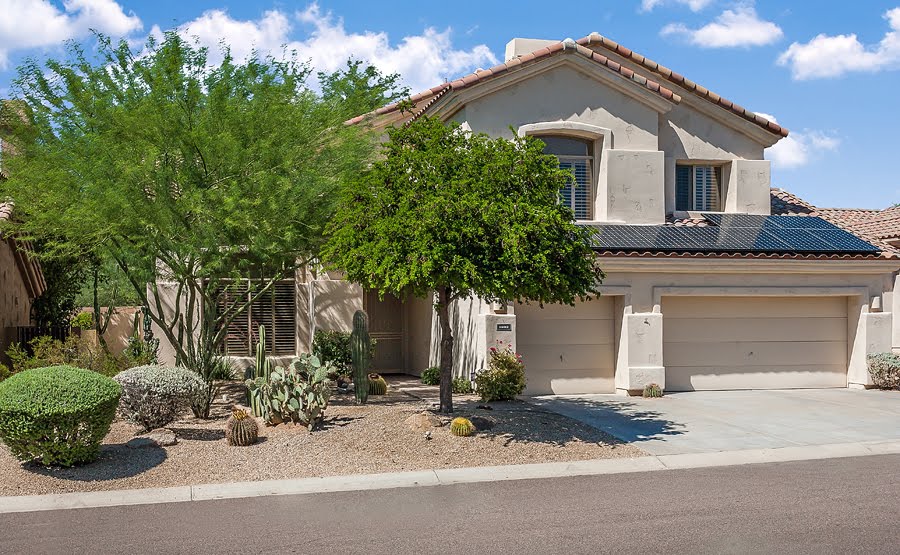 First, you need to know the price of the house you’d like to purchase. This is a great starting point for your search because you will know very quickly if the houses in this price range will work for your actual budget. Then you will need to input the amount of your down payment. This amount will likely depend on the type of loan you’d be obtaining as certain loans require certain percentages of down payments. The next step will be to input the length, or term, of the mortgage you’re seeking. This term will typically be 30 years or 15 years. Finally, you will need to know the annual interest rate of the loan. Most mortgage calculators will have today’s interest rates handy.
 Title insurance. It’s a mortgage term we’ve all heard, but what exactly is it? Why is it necessary when purchasing a home?
 Anyone who has ever been involved in assuming a mortgage, or even watched a few real estate shows on HGTV, is familiar with closing costs. But what exactly are closing costs? Here’s a quick rundown of these additional fees.
 Congratulations! You’ve found the perfect home to purchase, you’ve made an offer, the homeowner has accepted your offer, you’ve handed over earnest money and you’ve signed the contract. Now you’re in escrow! But what exactly does that mean?
 You’ve made the exciting decision to purchase a home. Deciding where you want to live, and what you want your home to look like are the fun part. Figuring out all of the ins and outs of obtaining a mortgage is the not-so-fun part. After you’ve gone through the loan process and have been approved for a loan, it’s time to celebrate, right? Not so fast.